
Logo Alpen Partners International
Investment Strategy, Investing, Investment Philosophy

Foreign Investment in Malta

Published: October 21, 2025
alpen partners foreign malta
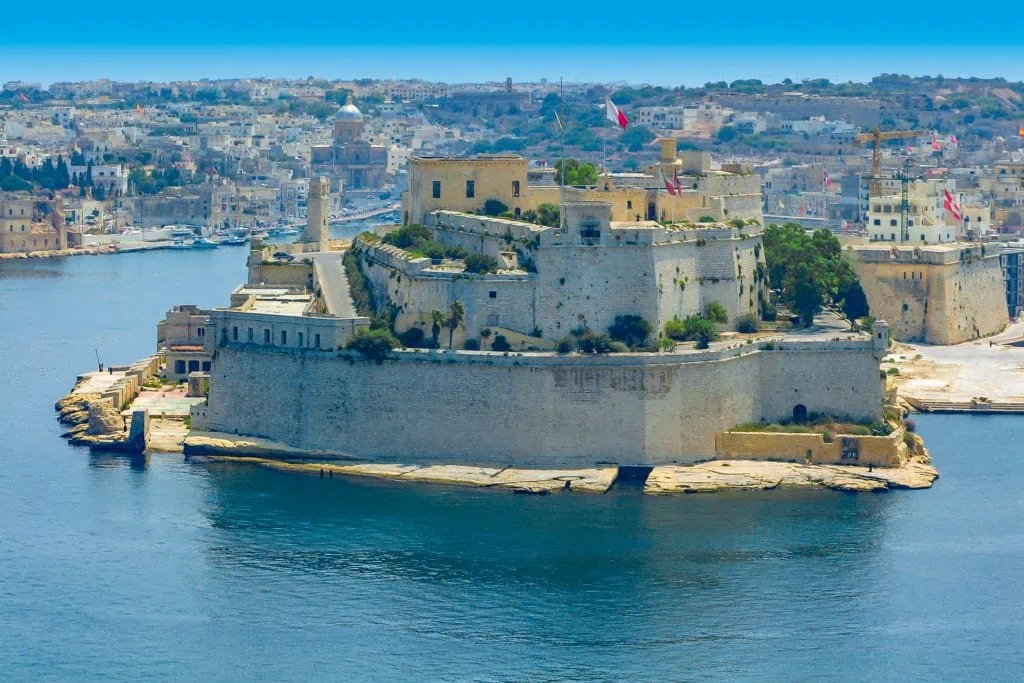
Malta is the smallest country in the European Union but should not be overlooked! This sunny Mediterranean country is the sunniest nation in the EU. It offers wealthy investors the opportunity to access European, African, and Middle Eastern markets, which is excellent because the local government offers investment and tax incentives for global investors. The country’s primary language is English, making it even easier to take advantage of investment perks. Investment options and the easy-going attitude of the locals have also made it a hotspot for ex-pats looking to change up their pace of life, not uncommon for Northern European retirees. This article will cover the benefits of investing in Malta, where to place your money in the country, and how Alpen Partners International is equipped to help you get started.

Why should you invest in Malta?

Many of our clients are unhappy with your current portfolio, and it may be time to explore new options. Looking into offshore options is a great way to open up your investment portfolio to great markets, secure banking and tax advantages. One of the biggest draws to making offshore investments is diversification. Diversification is one of the cornerstones of a successful portfolio. Diverse portfolios outperform concentrated ones. By owning a large number of investments in more than one sector or asset class, investors can protect themselves from unsystematic risk, the risk that one encounters when investing in one particular asset. Some investors seek out offshore investment for tax benefits. These incentives benefit the investor and encourage the growth of their economy by attracting wealth from other countries.

Healthy Investment Environment

For years, the Maltese government has welcomed foreign investment and offers many great benefits for those who choose the country for their next investment. As a member of the European Union since 2004 and the Eurozone since 2008, Malta has proven to be a valuable location for international investors. The island country offers political stability with two major political parties, both of which focus on incentivizing investment by non-residents. There has been healthy economic growth as well, with an estimated 4.8% growth for 2021. According to a 2020 report, Malta reached nearly 3.6 billion USD in foreign direct investment. A year before that, it was 4 billion USD.  97% of that figure was thorough financial and insurance activities.

Tax Incentives

One way they entice non-residence is through tax incentives. There is a 35% corporate tax rate, but many investors still pay less in taxes due to one of the most attractive incentives: the “full imputation tax system” for Maltese companies’ shareholders. This means dividends distributed to shareholders are not subject to personal tax, preventing double taxation on the dividends. The only countries that offer an incentive like this currently are Australia, New Zealand, and Malta. Also, Malta has signed double taxation treaties with over 50 countries. In the World Bank’s 2020 report, Malta was ranked 88th out of 190 economies.

Relocation Opportunities

Another reason to invest in Malta is the highly popular residence by investment option. The former residence by investment program reached its 1800 applicant capacity, so in late 2020 Maltese government introduced a new program.  Known as the Malta Citizenship by Naturalization for Exceptional Services (MEIN), the program allows foreign individuals and their families to earn a Certificate of Naturalization by making significant contributions to the country’s economic development. Read more about residence by investment in Malta here.

Where to Invest in Malta

Because of Malta’s location, investors find themselves with a range of options for investments. The region is a natural hub for investors looking to do business in Southern Europe and North Africa. Over 31,000 companies have been established in the country with foreign shareholders. Further, it can be relatively easy for a non-resident to establish their own business in Malta. This is even more enticing when looking at how attractive it is for industrial investment, with modern infrastructure and a flexible force. The manufacturing sector is strong, making up about 17% of the nation’s GDP, because of all of these factors and the island’s location. Electronics, pharmaceuticals, and communications are the three leading sectors in the nation. Other sectors include agriculture and tourism. Tourism makes up roughly 20% of the country’s GDP. One niche sector found in Malta is online gaming. Over 300 international remote gaming companies have been set up here. Real estate is also attractive in Malta since prices are relatively low. This means it can be easy to find a home for you and your family. If bought in the right location, a real estate investment can mean immediate cash flow due to renting and tourism. An investment in real estate is required for investors hoping to take advantage of the MEIN program, which requires a residential property purchase of at least €700,000.

Invest in Malta with Alpen Partners International

Are you interested in the investment services offered by Alpen Partners International? We are ready to help every step of the way. Our experts can guide you through finding the offshore investment options that work best for you. If you don’t know how to begin investing offshore, we will examine your goals and help the program that best suits your needs. If the residency by investment option sounds attractive to you, we also work closely with residency lawyers to guide you through that process as well. Beyond international investment, our team is prepared to guide you through all the personal and financial planning you need. If you feel trapped by your local investment options and want to spread your wings a bit, consider investing in Malta with Alpen Partners International. All investments involve certain risks. All investments carry the potential for financial loss, including the loss of the principal amount invested. Past performance should not be viewed as an indicator of future results. Market conditions and broader economic factors can significantly impact the value of investments. Investments in international markets are subject to additional risks, such as currency exchange fluctuations, political or economic instability, and variations in accounting practices. Alternative investments, including but not limited to hedge funds, private equity, and real estate, may be illiquid, speculative, and are not suitable for all investors. The above information should be considered before making any investment decisions. All posts and publications are for your information only and are not intended as an offer, promotion, or solicitation to buy or sell any financial instrument or perform any other financial transactions. All information and opinions expressed in posts and publications reflect our current views as of the date of the publication and may be liable to change without notice.

Author

Innovative insurance solutions by Alpen Partners AG in Switzerland.
Alpen Partners International
Your partner for asset management

Have any questions?

We are your partner to find the best private bank.

No matter the problem, Alpen will handcraft a solution for you. We know that there is no one-size-fits-all when striving for financial success. Our approach involves working with our clients to make a unique plan to meet their needs.

Contact us to enhance your financial plan today.

Share this article

Related article

Interested? Contact us now

Are you interested or do you have other Questions? Let us know.
Pierre Gabris

Pierre Gabris

Your contact for wealth management

Not US resident? Click here

Website: Agenza GmbH

Not US resident?

Please visit our dedicated website for non US residents.

Wealth Management

Following the establishment of his Swiss banking structure, David required a coordinated framework to manage assets across jurisdictions while maintaining compliance with U.S. reporting obligations.

Alpen integrated his assets into a Swiss wealth management structure tailored for internationally active clients. The focus was on aligning investment strategy, currency exposure, and financial planning within a single cross-border framework.

Through Alpen’s wealth management services, David gained access to

  • Global investment advisory, allowing participation in international markets while considering U.S. regulatory requirements
  • Multi-currency portfolio management, reducing reliance on a single currency exposure
  • Cross-border financial planning, supporting his relocation and long-term wealth objectives
  • Centralized oversight of assets held with Swiss custodian banks

Switzerland’s stable political environment, strong financial sector, and long-standing expertise in wealth management provided a reliable foundation for administering David’s international assets.

Offshore Banking Structure

With the Swiss account in place, Alpen integrated it into a broader offshore banking structure designed for diversification and asset protection.

This framework allowed David to

  • Hold assets across multiple currencies
  • Access international investment opportunities
  • Diversify assets outside a single jurisdiction
  • Ensure the highest standards of financial privacy while maintaining full transparency for international reporting

The Swiss banking environment also offered political stability, robust financial regulation, and a historically strong currency base.

Relocation and Swiss Residency Path

As part of his relocation planning, David explored the process of establishing residency in Switzerland. For non-EU citizens such as U.S. nationals, residency typically requires either employment in Switzerland, the establishment of a local company, or a negotiated tax arrangement with cantonal authorities.

Working alongside local legal and tax advisors, Alpen helped David evaluate the available options and coordinate the financial aspects of the move. This included aligning banking structures, documenting international assets, and preparing financial disclosures required during the residency process.

Swiss Bank Account Setup

Opening a Swiss bank account as a U.S. client follows a defined onboarding process based on regulatory requirements and internal bank standards. This includes identity verification, source-of-wealth documentation, and alignment with international reporting frameworks. It also involves coordination with the selected institution, including the negotiation of account terms and applicable fee structures.

Alpen supported David throughout this process by coordinating each step

  • Assessing eligibility and identifying Swiss private banks experienced with U.S. clients
  • Preparing and reviewing required documentation, including passport verification, financial history, and source-of-funds evidence
  • Advising on account structures (e.g. personal vs. investment accounts) aligned with his objectives
  • Coordinating communication with the selected bank and managing the submission process

As part of the onboarding, David was required to provide detailed documentation regarding his financial background and the origin of his assets. Minimum deposit thresholds and internal bank criteria were also considered when selecting the appropriate institution.

Once all documentation was complete and approved, the account opening process typically took approximately 1–2 weeks. Alpen then coordinated the initial asset transfers and ensured a smooth transition from existing banking relationships.