Logo Alpen Partners International
Cryptocurrencies

What Can I Do With My Cryptocurrency?

Published: December 22, 2025
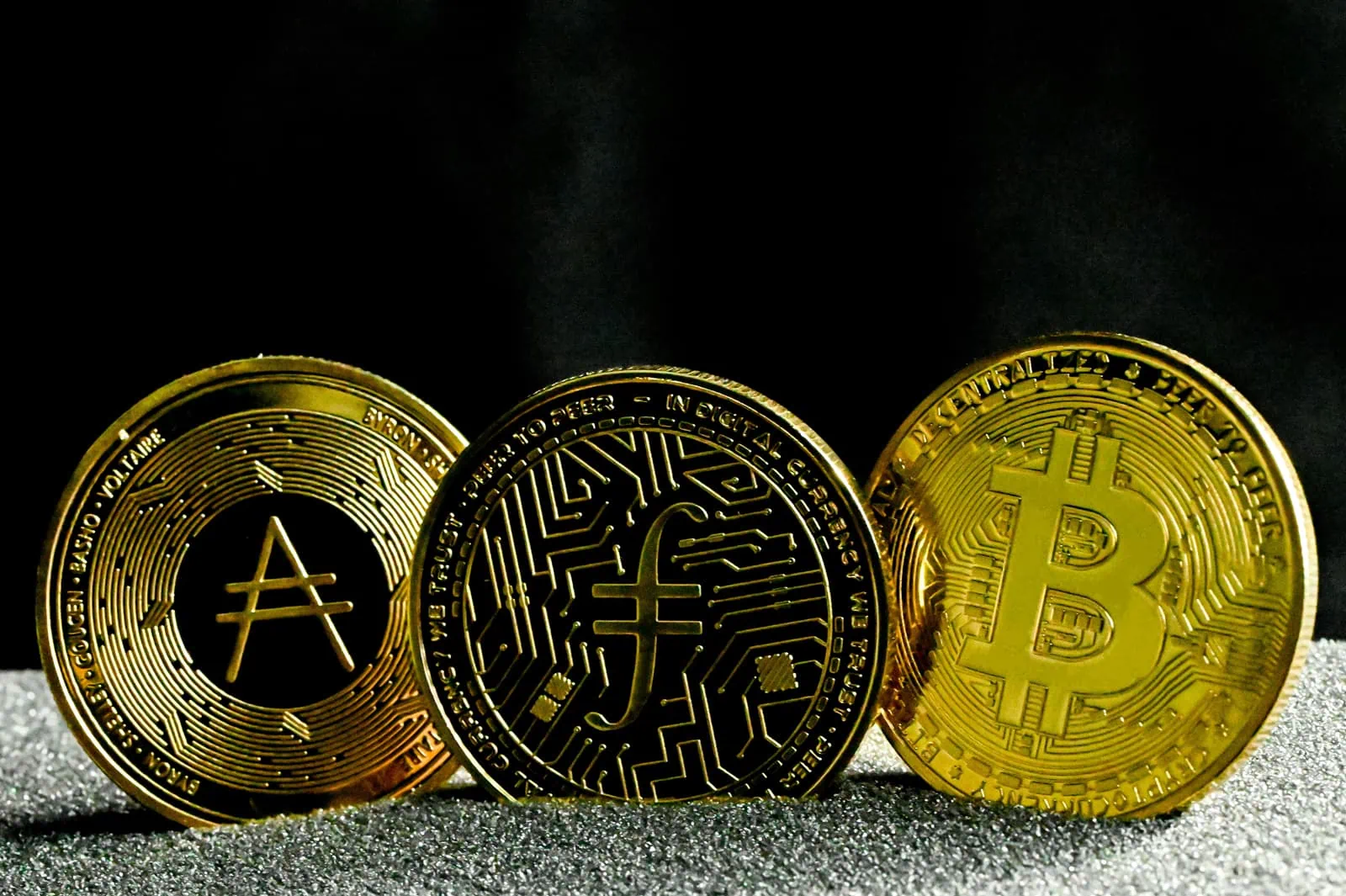
Cryptocurrency Bitcoin coins on a digital circuit board representing blockchain technology and digital finance.

Don’t just hold onto your Bitcoin…use it 

Cryptocurrency is digital money that uses cryptography for security. Cryptography is writing and solving puzzles. With the cryptography step, it is difficult to counterfeit. The currency does not have a central authority and can be used for a variety of things such as buying goods and investing. The history of cryptocurrency begins with Bitcoin in 2008 and, as of 2015, there were 14.6 million bitcoins in circulation. Since its launch, cryptocurrency has found its way into many aspects of our everyday lives that we may not even be aware of. There are now several different kinds of cryptocurrencies. Cryptocurrency has the ability to make transferring funds easier between two parties. The transactions don’t cost much and allow users to avoid high fees experienced when using most banks and wire transfers. What good would a currency be if you couldn’t use it for anything? Because cryptocurrency is digital, it’s not as easy as just pulling it out of your wallet and spending it at a grocery store, but we’re not far off.

Invest

Cryptocurrencies have proven to be effective at making many tech-savvy investors more money. With the help of financial advisors, many not-so-savvy investors have thanked cryptocurrency for their growing wealth. Many also enjoy digital cash to support the idea of one free, hard currency for the world. Cryptocurrency can also be used to hedge your portfolio against the dollar. Today, new cryptocurrencies are popping up all the time, each specialized with their own blockchain and purpose. Those don’t just come out of nowhere. Nobody just wakes up and creates a currency with a value out of thin air. Like other kinds of startups, cryptocurrencies need to be funded by other interested people to get the project up and running. Initial Coin Offering, or ICO, is like an IPO for cryptocurrency. When a new digital currency is developed, money is needed to fund it. Those who invest are hoping the currency will gain a lot of traction and raise the price of the coin. Investors who are interested in making money through ICOs are usually hoping the project will become a success, making the cryptocoin value rise higher than what they initially paid.

Buy goods and services

Cryptocurrencies, mostly Bitcoin, can be used to buy several goods and services. It is a currency, after all.  Many people use their Bitcoin to buy gift cards. Surprisingly, you can actually buy yourself dinner at some restaurants. Though there are not many that accept digital cash just yet, as the popularity of digital currency rises, so will the number of companies allowing this kind of payment. One of the biggest, and most useful, goods bought with cryptocurrency is real estate. Many countries offer the ability to buy the property and pay fees and taxes with Bitcoin. There are web-based stores all over the world that are selling goods purchased through cryptocurrency. High-end cryptomarkets are even allowing customers to buy aircraft, yachts, and anything else these customers can think of. Travel companies have even dipped their toes into the waters of crypto-based sales. Expedia and Holiday Inn are just who examples of companies that are offering digital currency payment methods. The short-term housing sight Airbnb often lists apartments that allow Bitcoin payment.

Mine

One popular cryptocurrency activity is collecting it through the act of mining. Cryptocurrencies use blockchain technology to keep the currency decentralized.  Mining for cryptocurrency means verifying and adding transactions to the public blockchain. This is also how new coins are released. Anyone with internet access and the correct hardware can mine. Miners compile recent transactions into blocks and solve the difficult puzzles used to protect the transaction. Whoever can solve the puzzle first gets to place the next block on the blockchain and claims the reward. The incentive to solve the puzzle is the reward which consists of the transaction fees and newly released coins. Through mining, individuals can profit from cryptocurrency without having to put money into it. Mining also plays a different yet very important service to the crypto world. The only way to create a new coin is through mining. In this way, miners are essentially minting the digital currency. This is no easy task, however. The act of mining is expensive, time-consuming, and only sporadically profitable. You don’t have to mine for crypto to earn it. You can buy crypto with any regular currency or you can trade for it online. There is so much buzz around crypto and so much to learn. For more information about cryptocurrency, read our introduction to cryptocurrency page. We also have a cryptocurrency vocabulary list where you can learn all of the words associated with cryptocurrency. Once you get involved with digital money, you will also need to know how to stay tax-compliant. For this, we have gathered some tax laws around the world regarding cryptocurrency. Alpen PartnersInternational Alpen Partners International, the sister company of Alpen Partners, is now a registered investment advisor at the U.S. Securities and Exchange Commission (SEC). Together with our partner Swiss private banks, our company can now offer the full Swiss private banking experience to American clients, both resident and non-resident. Building on many years of experience in private banking in Switzerland, Alpen Partners International provides investment advisory services to U.S. clients. Swiss banking is highly regarded around the world, and well known for being sophisticated and discreet. In 2017, it was reported that $7.5 trillion in assets are held in Swiss banks and almost 51% of that is generated from clients outside of the country. Choosing Switzerland as a banking destination is choosing years and years of financial stability and growth. The advantages of having an account in Switzerland include currency and investment diversification, asset protection, and the possibility to deposit assets in some of the oldest and best-capitalized banks in the world. All investments involve certain risks. All investments carry the potential for financial loss, including the loss of the principal amount invested. Past performance should not be viewed as an indicator of future results. Market conditions and broader economic factors can significantly impact the value of investments. Investments in international markets are subject to additional risks, such as currency exchange fluctuations, political or economic instability, and variations in accounting practices. Alternative investments, including but not limited to hedge funds, private equity, and real estate, may be illiquid, speculative, and are not suitable for all investors. The above information should be considered before making any investment decisions. All posts and publications are for your information only and are not intended as an offer, promotion, or solicitation to buy or sell any financial instrument or perform any other financial transactions. All information and opinions expressed in posts and publications reflect our current views as of the date of the publication and may be liable to change without notice.

Author

Innovative insurance solutions by Alpen Partners AG in Switzerland.
Alpen Partners International
Your partner for asset management

Have any questions?

We are your partner to find the best private bank.

No matter the problem, Alpen will handcraft a solution for you. We know that there is no one-size-fits-all when striving for financial success. Our approach involves working with our clients to make a unique plan to meet their needs.

Contact us to enhance your financial plan today.

Share this article

Related article

Interested? Contact us now

Are you interested or do you have other Questions? Let us know.
Pierre Gabris

Pierre Gabris

Your contact for wealth management

Not US resident? Click here

Website: Agenza GmbH

Not US resident?

Please visit our dedicated website for non US residents.

Wealth Management

Following the establishment of his Swiss banking structure, David required a coordinated framework to manage assets across jurisdictions while maintaining compliance with U.S. reporting obligations.

Alpen integrated his assets into a Swiss wealth management structure tailored for internationally active clients. The focus was on aligning investment strategy, currency exposure, and financial planning within a single cross-border framework.

Through Alpen’s wealth management services, David gained access to

  • Global investment advisory, allowing participation in international markets while considering U.S. regulatory requirements
  • Multi-currency portfolio management, reducing reliance on a single currency exposure
  • Cross-border financial planning, supporting his relocation and long-term wealth objectives
  • Centralized oversight of assets held with Swiss custodian banks

Switzerland’s stable political environment, strong financial sector, and long-standing expertise in wealth management provided a reliable foundation for administering David’s international assets.

Offshore Banking Structure

With the Swiss account in place, Alpen integrated it into a broader offshore banking structure designed for diversification and asset protection.

This framework allowed David to

  • Hold assets across multiple currencies
  • Access international investment opportunities
  • Diversify assets outside a single jurisdiction
  • Ensure the highest standards of financial privacy while maintaining full transparency for international reporting

The Swiss banking environment also offered political stability, robust financial regulation, and a historically strong currency base.

Relocation and Swiss Residency Path

As part of his relocation planning, David explored the process of establishing residency in Switzerland. For non-EU citizens such as U.S. nationals, residency typically requires either employment in Switzerland, the establishment of a local company, or a negotiated tax arrangement with cantonal authorities.

Working alongside local legal and tax advisors, Alpen helped David evaluate the available options and coordinate the financial aspects of the move. This included aligning banking structures, documenting international assets, and preparing financial disclosures required during the residency process.

Swiss Bank Account Setup

Opening a Swiss bank account as a U.S. client follows a defined onboarding process based on regulatory requirements and internal bank standards. This includes identity verification, source-of-wealth documentation, and alignment with international reporting frameworks. It also involves coordination with the selected institution, including the negotiation of account terms and applicable fee structures.

Alpen supported David throughout this process by coordinating each step

  • Assessing eligibility and identifying Swiss private banks experienced with U.S. clients
  • Preparing and reviewing required documentation, including passport verification, financial history, and source-of-funds evidence
  • Advising on account structures (e.g. personal vs. investment accounts) aligned with his objectives
  • Coordinating communication with the selected bank and managing the submission process

As part of the onboarding, David was required to provide detailed documentation regarding his financial background and the origin of his assets. Minimum deposit thresholds and internal bank criteria were also considered when selecting the appropriate institution.

Once all documentation was complete and approved, the account opening process typically took approximately 1–2 weeks. Alpen then coordinated the initial asset transfers and ensured a smooth transition from existing banking relationships.