 Stocks
The Tokenization of Stocks
Blockchain is the digital, public ledger where cryptocurrencies occur. Through a blockchain, everyone in the network can see every account balance. Every t...
November 18, 2022


This diverse segment of the Swiss equity market, represented by the SPI Extra® index, may provide valuable diversification opportunities for investors who apply disciplined and selective stock-picking strategies.
As global markets continue to navigate geopolitical tensions, inflation concerns, shifting monetary policies, and rapid technological change, investors are reassessing how diversification is structured within equity portfolios. In Switzerland, attention often gravitates toward globally recognized blue-chip companies. However, Swiss small and mid-cap companies (“SMID caps”) are increasingly being evaluated for their innovation, sector diversity, and exposure to long-term industrial and healthcare trends.
Tracked primarily through the SPI Extra® Index, Swiss SMID caps represent a broad segment of internationally active niche leaders operating within Switzerland’s stable economic and regulatory environment. While these companies involve higher volatility and require disciplined stock selection, they are drawing attention from investors seeking exposure beyond large-cap defensive names in an increasingly concentrated global market environment.
Swiss SMID caps differ from the large multinational companies that dominate the Swiss Market Index (SMI®). While Switzerland’s large-cap market is heavily concentrated in global pharmaceutical and consumer giants, the SPI Extra® Index offers broader sector representation.
Characteristics often associated with Swiss SMID caps include:
Many Swiss SMID-cap companies operate in highly technical industries where long-term competitiveness depends on engineering expertise, intellectual property, and recurring client relationships. Switzerland’s political stability, skilled workforce, and export-oriented economy have historically supported the development of these specialized businesses.
Several Swiss industrial companies are benefiting from structural themes linked to artificial intelligence, semiconductors, automation, and energy efficiency.

Examples mentioned in current market discussions include:
Some companies are positioned around semiconductor manufacturing infrastructure, while others provide thermal-management systems increasingly used in data centers and digital infrastructure.
Investors are also paying attention to companies with recurring service revenues, which may contribute to greater earnings visibility during changing economic cycles. Companies such as Schindler are often discussed in this context because service operations form a significant part of their business model.
Healthcare remains another major area of interest within the Swiss SMID-cap universe.
Current themes include:
Companies frequently referenced include:
Investors continue to monitor how pricing pressures, patent expirations, and healthcare innovation may shape the sector. Some biotechnology companies are also being evaluated within the context of possible future industry consolidation.
As with all equity investments, these sectors involve varying degrees of risk, valuation sensitivity, and market volatility.
Note: Any references to specific companies, securities, asset classes, investment strategies, markets, currencies, jurisdictions, or financial institutions are included solely to illustrate broader wealth planning considerations. Such references are provided for informational purposes only and should not be interpreted as investment recommendations, endorsements, or advice to buy, sell, or hold any investment or to pursue any particular investment or wealth planning strategy.
Periods of geopolitical uncertainty frequently renew attention toward Switzerland as a defensive and internationally diversified market.
Factors commonly associated with Switzerland include:
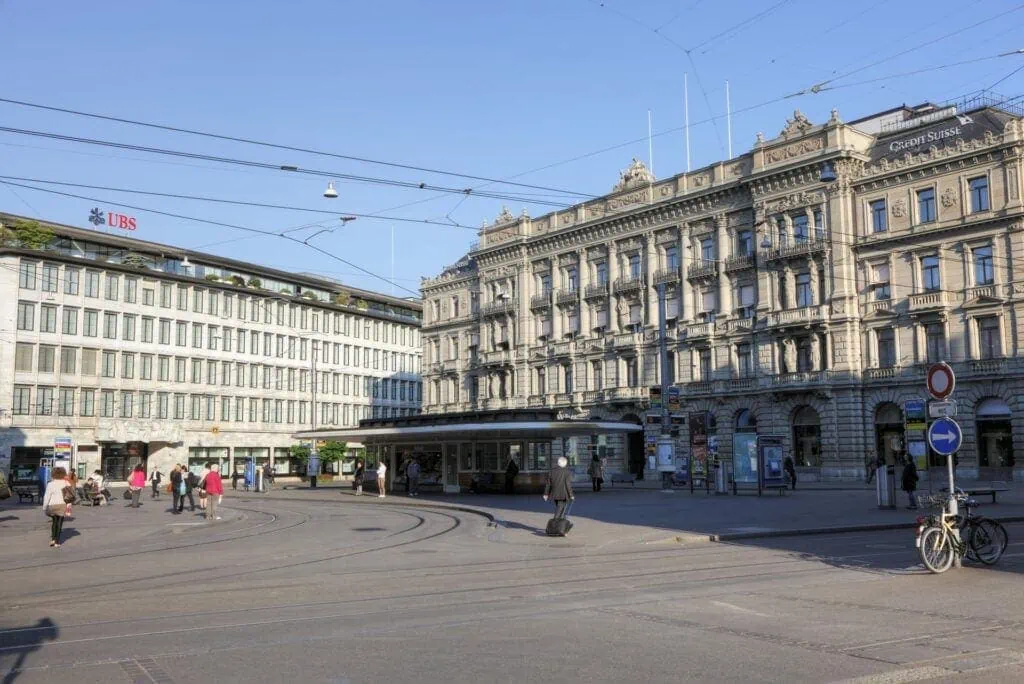
In addition, many Swiss SMID caps have lower direct exposure to U.S. markets compared with some larger multinational companies and may benefit differently from European monetary and fiscal developments.
At the same time, investors continue to monitor:
The Swiss franc itself often acts as an important transmission mechanism during periods of global market stress.
The Swiss SMID-cap segment is often considered less efficient than large-cap markets.
Characteristics include:
These features may create opportunities, but they also require detailed company analysis and ongoing monitoring.
In recent years, valuation advantages within the segment have narrowed somewhat, making disciplined stock selection increasingly important. Investors frequently evaluate:
As market conditions evolve quickly, many investors view active research and direct company engagement as important parts of the investment process.
Swiss SMID caps refer to Swiss small and mid-sized publicly traded companies, many of which are included in the SPI Extra® Index.
Current interest is linked to innovation themes, industrial technology exposure, healthcare opportunities, and diversification beyond large-cap equities.
Not necessarily. SMID caps can involve higher volatility, lower liquidity, and greater operational sensitivity than large-cap companies.
Switzerland is frequently associated with political stability, institutional continuity, a strong currency, and globally diversified businesses.
Swiss SMID caps are increasingly being evaluated within the context of global diversification, innovation-driven investing, and evolving market dynamics. While the segment requires disciplined analysis and careful stock selection, it offers exposure to specialized industrial and healthcare companies operating within Switzerland’s historically stable economic environment.
In periods marked by geopolitical uncertainty and concentrated global equity leadership, some investors continue to assess whether Swiss SMID caps may complement broader international portfolios through sector diversification, niche innovation exposure, and access to internationally competitive Swiss businesses.
Alpen Partners International is an independent Swiss-based financial advisor and global wealth planner. The firm advises internationally active individuals and families on cross-border wealth planning, international portfolio structuring, Swiss investment opportunities, and jurisdictional diversification, in addition to citizenship and residence planning in Switzerland and other preferred destinations, within applicable regulatory frameworks.
Author

We are your partner to find the best private bank.
No matter the problem, Alpen will handcraft a solution for you. We know that there is no one-size-fits-all when striving for financial success. Our approach involves working with our clients to make a unique plan to meet their needs.
Contact us to enhance your financial plan today.
Stocks
 Stocks
 Stocks

Pierre Gabris
Your contact for wealth management
Website: Agenza GmbH