 Cryptocurrencies
How to Purchase Cryptocurrencies in Switzerland
Cryptocurrency was once a phenomenon among tech-oriented individuals and quickly became one of the hottest topics across the globe. Not only is cryptocurre...
November 18, 2022

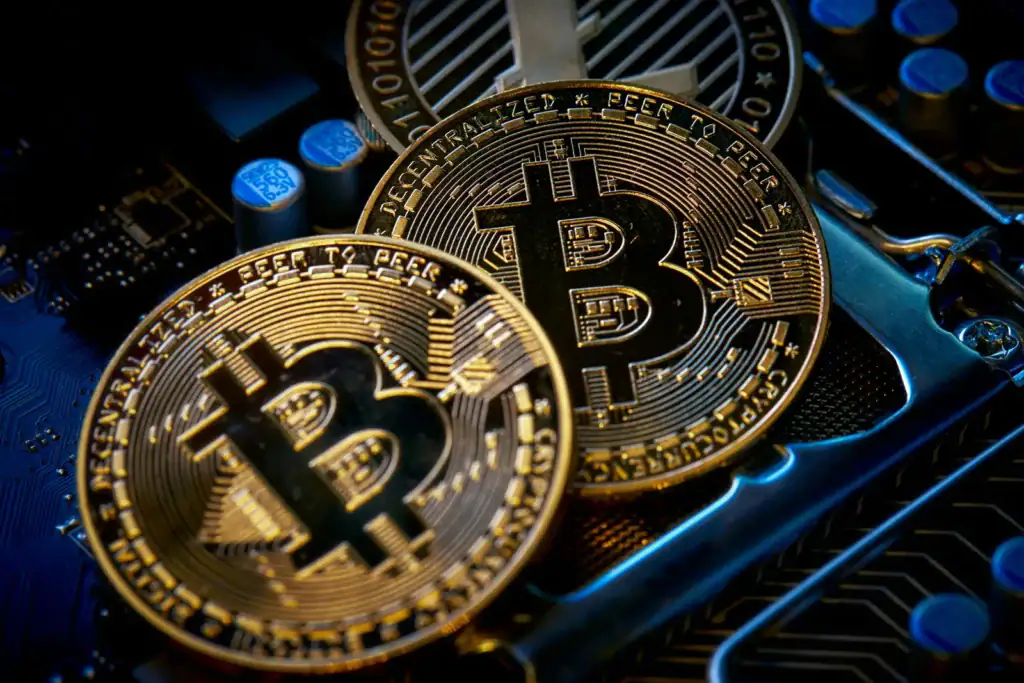
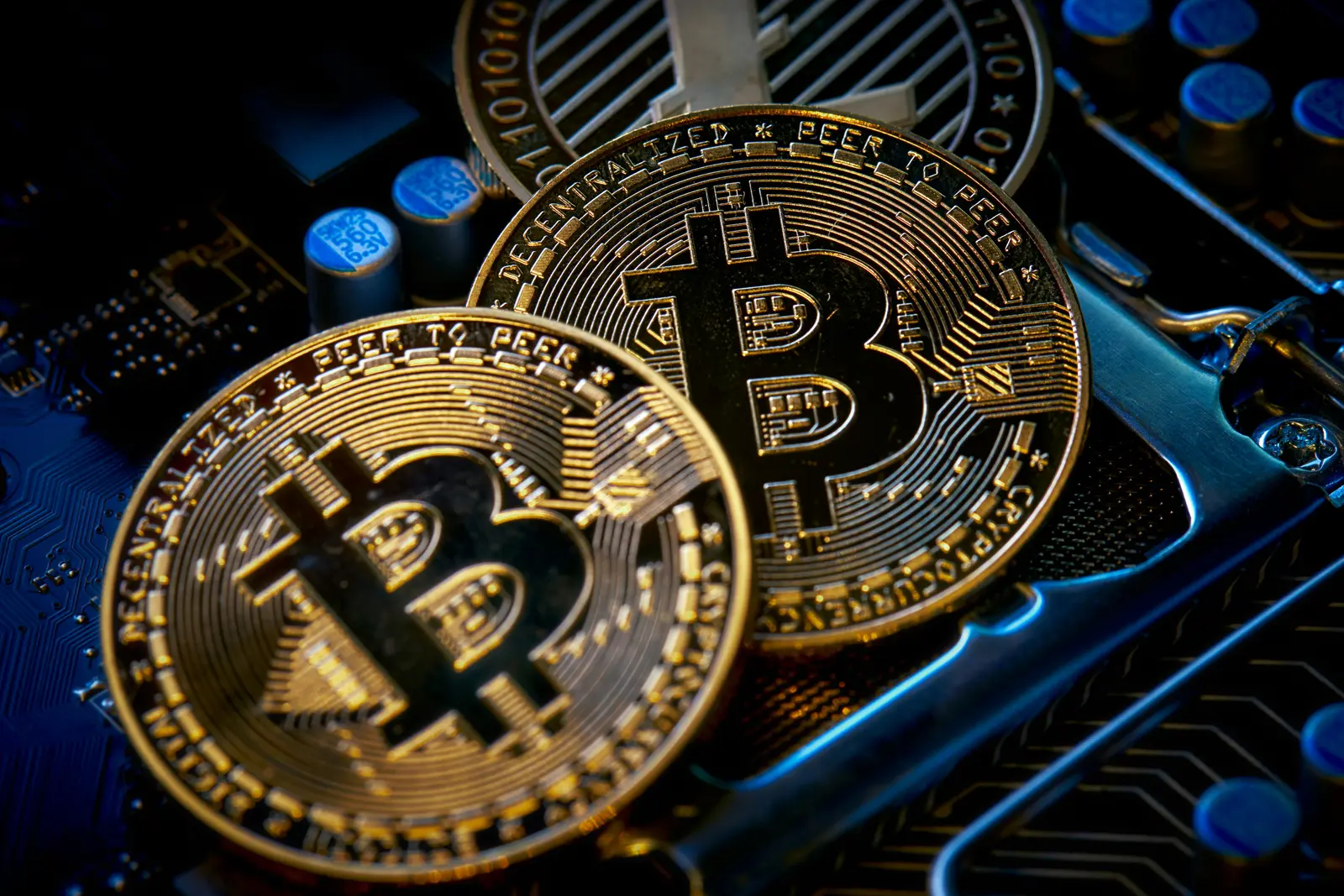
Cryptocurrency emerged in the wake of the 2008 global financial crisis, driven by the need for a decentralized, transparent, and secure financial system independent of traditional banking institutions. Bitcoin, the first and most well-known cryptocurrency, was introduced in 2009 by the pseudonymous Satoshi Nakamoto. Bitcoin and other cryptocurrencies were designed to enable peer-to-peer transactions without intermediaries, using blockchain technology to ensure transparency, immutability, and security. This groundbreaking innovation aimed to address issues like inflation, currency devaluation, and the concentration of financial power, offering a global and accessible alternative. The rise of cryptocurrencies has since revolutionized the financial landscape, creating a new asset class and numerous blockchain-based applications that continue to shape the future of finance.
Switzerland has quickly established itself as a leading global hub for cryptocurrency and blockchain technology. Known for its financial stability, regulatory transparency, and robust infrastructure, Switzerland provides an ideal environment for the growth of digital assets. The country’s dedication to innovation is exemplified by the “Crypto Valley” in Zug, home to a thriving ecosystem of blockchain startups and established firms. This region benefits from Switzerland’s supportive legal framework, low taxes, and favorable business conditions, making it a prime location for blockchain innovation and entrepreneurship. Switzerland’s strategic approach to nurturing this sector has positioned it as a global leader in the cryptocurrency space.
A key factor in Switzerland’s emergence as a crypto hub is its progressive regulatory framework. The Swiss Financial Market Supervisory Authority (FINMA) has implemented clear guidelines that provide legal certainty for blockchain companies. These regulations cover aspects such as Initial Coin Offerings (ICOs), anti-money laundering (AML) measures, and licensing requirements, creating a balanced environment that attracts both startups and established financial institutions. Furthermore, Switzerland’s banking sector has embraced the cryptocurrency industry, with several Swiss banks now offering tailored services for crypto businesses, including custodial services, fiat-crypto conversions, and crypto-asset management. This integration of traditional banking with the crypto world solidifies Switzerland’s reputation as a crypto-friendly jurisdiction.
Switzerland’s thriving ecosystem of talent and innovation further strengthens its position as a global crypto hub. Universities and research institutions across the country are deeply involved in blockchain research, driving technological advancements. Additionally, Switzerland hosts numerous blockchain conferences, meetups, and hackathons, fostering collaboration and knowledge-sharing among industry professionals.
This lively ecosystem not only attracts top talent but also promotes the development of cutting-edge blockchain solutions. Switzerland’s commitment to a secure, transparent, and innovative environment for digital assets contributes to its continued leadership in the rapidly evolving cryptocurrency environment.
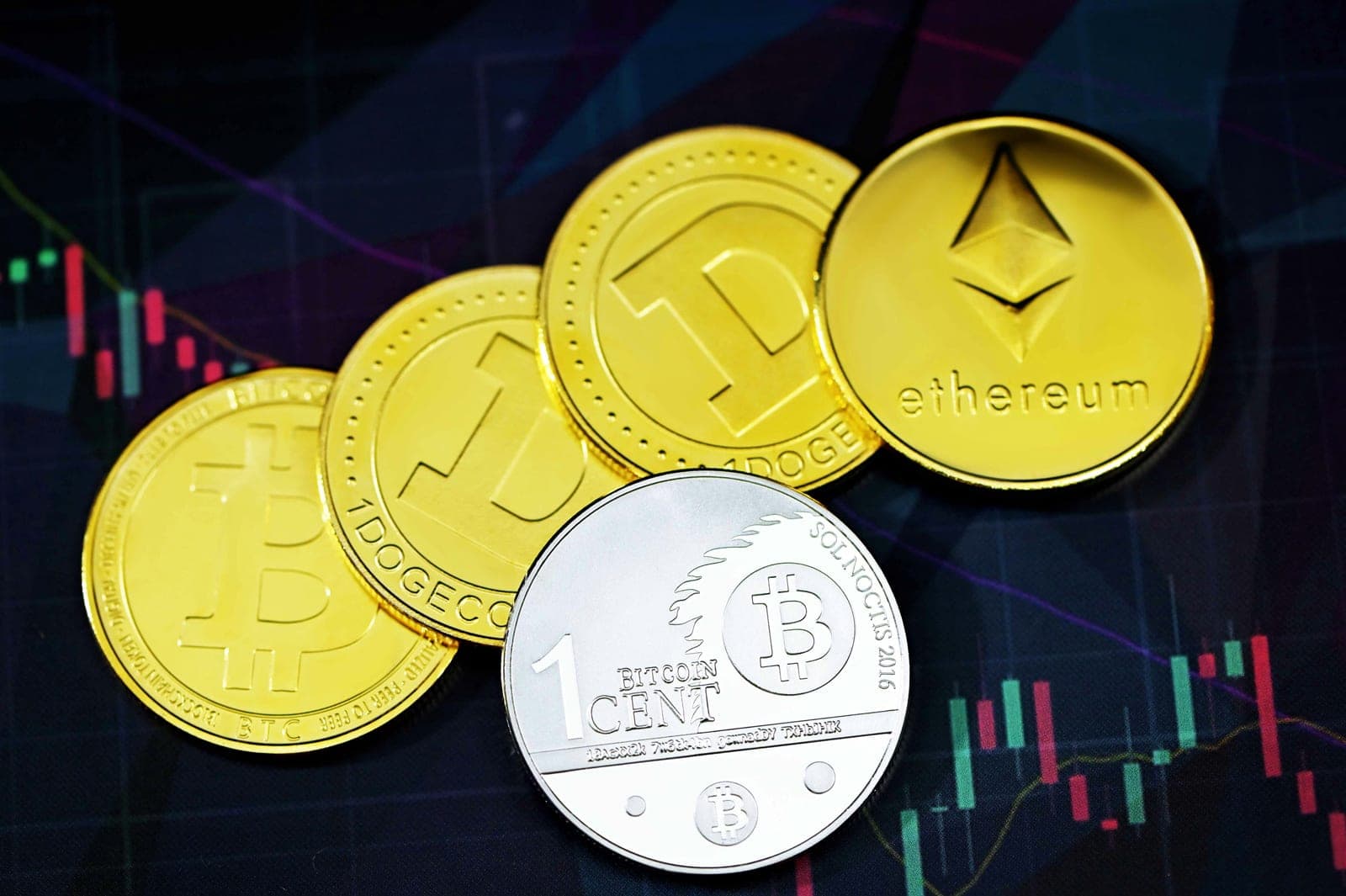
At Alpen Partners International we believe that cryptocurrencies like Bitcoin (BTC) and Ethereum (ETH) should be considered as a component of a diversified investment portfolio. These digital assets have generated substantial wealth and represent a new frontier of financial innovation. We welcome clients with crypto holdings or assets derived from cryptocurrency transactions, applying rigorous due diligence to maintain the highest standards of compliance and security. By collaborating with a select group of banks, including both traditional financial institutions and specialized “crypto-banks,” we can offer diversified custody solutions that provide our clients with the flexibility and security needed to gain a foothold in the dynamic environment of digital finance. Switzerland’s prominent role as a global crypto hub makes it a suitable setting for those seeking to integrate digital assets into their financial strategies.
While cryptocurrencies offer significant potential, it is crucial to understand the inherent volatility and risks associated with this asset class.
The value of cryptocurrencies like Bitcoin and Ethereum can experience dramatic fluctuations, with prices soaring to new heights before plummeting unexpectedly. These price swings reflect the speculative nature of the market, regulatory uncertainties, and the evolving global stance on digital assets.
While many view cryptocurrencies as a revolutionary investment opportunity, there are no guarantees of future returns, and investors should be prepared for the possibility of significant losses. As with any investment, it is essential to approach the crypto market with a balanced perspective, fully understanding both the potential rewards and the risks involved.
All investments involve certain risks. All investments carry the potential for financial loss, including the loss of the principal amount invested. Past performance should not be viewed as an indicator of future results.
Market conditions and broader economic factors can significantly impact the value of investments. Investments in international markets are subject to additional risks, such as currency exchange fluctuations, political or economic instability, and variations in accounting practices. Alternative investments, including but not limited to hedge funds, private equity, and real estate, may be illiquid, speculative, and are not suitable for all investors.
All investments involve certain risks. All investments carry the potential for financial loss, including the loss of the principal amount invested. Past performance should not be viewed as an indicator of future results.
Market conditions and broader economic factors can significantly impact the value of investments. Investments in international markets are subject to additional risks, such as currency exchange fluctuations, political or economic instability, and variations in accounting practices. Alternative investments, including but not limited to hedge funds, private equity, and real estate, may be illiquid, speculative, and are not suitable for all investors.
The above information should be considered before making any investment decisions.
All posts and publications are for your information only and are not intended as an offer, promotion, or solicitation to buy or sell any financial instrument or perform any other financial transactions. All information and opinions expressed in posts and publications reflect our current views as of the date of the publication and may be liable to change without notice.
Author

We are your partner to find the best private bank.
No matter the problem, Alpen will handcraft a solution for you. We know that there is no one-size-fits-all when striving for financial success. Our approach involves working with our clients to make a unique plan to meet their needs.
Contact us to enhance your financial plan today.
Cryptocurrencies
 Cryptocurrencies
 Cryptocurrencies

Pierre Gabris
Your contact for wealth management
Website: Agenza GmbH